
Let’s talk dirty laundry – specifically, why your septic system cringes every time you pour in that bright blue store-bought detergent. If you’re one of the 21 million American homes using a septic system, those commercial detergents might be doing more harm than good. But don’t worry, I’ve got your back (and your bacteria’s back too).
Why Your Septic System Needs Special Laundry Care
Think of your septic system like a living ecosystem – because that’s exactly what it is. Those hard-working bacteria breaking down waste in your tank are the unsung heroes of your home’s plumbing. But here’s the kicker: most store-bought detergents are basically kryptonite to these helpful little guys.
The Real Cost of Commercial Detergents
Let’s break down what happens when you use regular detergents:
- Bacterial Massacre: Those fancy surfactants and brighteners? They’re basically bacterial poison. Every load of laundry sends a fresh wave of chemistry that kills off your septic system’s workforce.
- System Overload: Without enough bacteria, solid waste builds up faster than a Black Friday checkout line. Before you know it, you’re looking at a $5,000+ bill for septic pumping or repairs.
- Environmental Impact: Those chemicals don’t just disappear – they leach into your drain field and eventually into groundwater. Not exactly what you want in your garden.
Calculate Your Septic-Safe Savings
See how much you'll save switching to homemade detergent
The Money Math (Because Numbers Don’t Lie)
Here’s something that’ll make your wallet happy: Homemade septic-safe detergent costs about $0.11 per load, compared to $0.28 per load for the commercial stuff. For a family doing 300 loads yearly, that’s a cool $51 staying in your pocket. Plus, you’re dodging those expensive septic repairs.
Key Takeaways: Septic-Safe Laundry Detergent Guide
Why It Matters
- ▪ Store detergents kill vital septic bacteria
- ▪ Chemical buildup causes system failure
- ▪ Natural alternatives work better
What You’ll Learn
- ▪ 5 proven DIY detergent recipes
- ▪ Simple ingredients from any store
- ▪ Easy mixing & storage tips
The Benefits
- ▪ Protects your septic system
- ▪ Saves $150+ yearly on detergent
- ▪ Prevents costly repairs
Your septic system runs on bacteria – not chemicals. Switch to homemade detergent and save your system (and your wallet) from unnecessary damage.
What’s Actually Going Down Your Drain
Commercial detergents usually contain:
- Sodium lauryl sulfate (bacteria killer)
- Phosphates (septic system clogger)
- Artificial brighteners (unnecessary chemicals)
Meanwhile, homemade alternatives use simple, effective ingredients that clean your clothes without nuking your septic system’s bacterial workforce. We’re talking basic chemistry here – the kind that’s worked for generations before marketing departments got involved.
When to Make the Switch
If you’re seeing any of these signs, it’s time to ditch the commercial stuff:
- Strong chemical smells from your drain field
- Slow-draining washing machine
- Gurgling pipes
- Septic system backing up more frequently

Essential Ingredients for Septic-Safe Detergents
Time to stock up your DIY cleaning arsenal. These ingredients aren’t some fancy chemical cocktail – they’re tried-and-true cleaners that have been around longer than electricity. And unlike that mystery blue goop from the store, you can actually pronounce these names.
The Heavy Lifters
Optional But Worth It
Essential Oils
Some folks think essential oils are just for fancy diffusers, but they’re actually powerhouse cleaners. A few drops of tea tree oil adds natural antibacterial properties, while lavender or lemon gives you that “clean laundry” smell without the fake fragrances.
Where to Source Your Supplies
Here’s the beautiful part – everything you need is probably sitting at your local grocery store right now. No specialty shops required. If you’re really looking to save some cash, buy in bulk online. Just remember: the bigger the package, the better the deal.
Storage Smarts
Listen, I’ve seen enough ruined batches to know storage matters. Here’s the deal:
- Keep powdered ingredients bone dry
- Store liquid mixes in sealed containers
- Label everything (trust me on this one)
- Keep them away from curious kids and pets
- Most recipes last 6-12 months when stored properly
What to Avoid Like the Plague
Let’s be clear about what doesn’t belong in septic-safe detergent:
- Bleach (kills beneficial bacteria)
- Antibacterial additives (same problem)
- Chemical fragrances (unnecessary strain on your system)
- Optical brighteners (they’re just marketing anyway)
A quick note on water temperature: These ingredients work best in warm to hot water. If you’re a cold-water washer, just dissolve the powdered ingredients in hot water first, then add to your load. Simple as that.
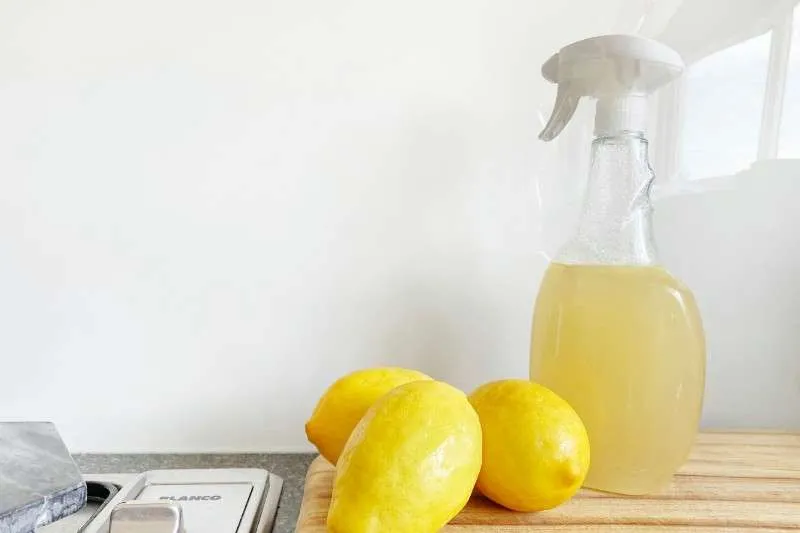
5 Proven DIY Laundry Detergent Recipes
Listen up – these aren’t your grandmother’s Pinterest recipes. Each one’s been tested on everything from baseball uniforms to mechanic’s overalls. I’ve tweaked these formulas over years of working with septic systems, and they actually work.
Basic Liquid Detergent
This is your go-to recipe. Works in all machines, dissolves completely, and costs about a dime per load.
You’ll need:
- 1/2 cup Borax
- 1/2 cup washing soda
- 1/2 cup liquid castile soap
- 4 cups hot water
- Essential oils (optional, but 20 drops of lemon oil works wonders)
The Process:
- Mix Borax and washing soda in a large container
- Add hot water and stir until dissolved
- Pour in castile soap (slowly – it likes to foam)
- Add essential oils if using
- Let it cool before bottling
Powder Formula for Heavy Soils
This is my favorite for work clothes or anything that’s seriously dirty. It’s like the monster truck of laundry soap.
You’ll need:
- 1 cup washing soda
- 1 cup Borax
- 1 bar castile soap, grated
- 1/2 cup coarse salt (optional, great for hard water)
The Process:
- Grate soap using your cheese grater (don’t worry, it washes clean)
- Mix everything in a large bowl
- Pulse in a food processor if you want it finer
- Store in an airtight container
Sensitive Skin Blend
Got sensitive skin? This recipe’s gentle enough for baby clothes but still tough on dirt.
You’ll need:
- 2 cups washing soda
- 2 bars unscented castile soap, grated
- 1/2 cup baking soda
The Process:
- Grate soap finely
- Mix all ingredients thoroughly
- Store in an airtight container
Ultra-Concentrated Recipe
Tiny laundry room? This one’s for you. Makes a super-concentrated liquid that takes up less space.
You’ll need:
- 1 cup washing soda
- 1 cup Borax
- 1 bar castile soap, grated
- 2 cups hot water
The Process:
- Heat water until almost boiling
- Dissolve washing soda and Borax
- Add grated soap, stir until melted
- Pour into a quart jar
Quick No-Grate Formula
For when you need detergent but don’t feel like grating soap (we’ve all been there).
You’ll need:
- 1 cup baking soda
- 1 cup washing soda
- 1 cup liquid castile soap
- 1/4 cup coarse salt
The Process:
- Mix dry ingredients
- Slowly stir in liquid castile soap
- Store in a sealed container
Making Your Detergent Work Better
Let’s talk about getting the most bang for your buck with these recipes. After 20 years of dealing with septic systems, I’ve learned a few tricks that’ll make these detergents work as well as (or better than) the expensive store stuff.
Proper Usage Guidelines
Think of your washer like a good coffee maker – the right amount matters. Too much soap doesn’t mean cleaner clothes; it means residue and potential septic issues.
For High-Efficiency Washers:
- Start with half the recommended amount
- Look for suds in the window – if you see them, you’re using too much
- Add detergent before clothes (gives it time to dissolve)
For Standard Machines:
- Follow the recipe measurements exactly
- Add to running water before clothes
- Let powders dissolve for 30 seconds first
Hard Water Solutions
Got hard water? I see this issue constantly in rural areas. Here’s how to adapt:
Quick Test: If your shower head looks like it’s growing stalactites, you’ve got hard water. Add these to any recipe:
- Extra 1/4 cup washing soda
- 1/2 cup white vinegar in the rinse cycle
- Dash of citric acid (about 1 tablespoon per batch)
Stain Treatment That Actually Works
Stop wasting money on fancy stain removers. Here’s what really works with these detergents:
Fresh Stains:
- Hit it with liquid castile soap directly
- Rub in some washing soda paste
- Let it sit 10 minutes
- Wash normally
Set-In Stains:
- Mix equal parts washing soda and hydrogen peroxide
- Scrub it in with an old toothbrush
- Let it sit 30 minutes
- Wash in the hottest water safe for the fabric
Smart Storage Tips
I’ve seen too many ruined batches from bad storage. Here’s the real deal:
- Keep powder mixes in airtight containers
- Store liquid versions in old detergent bottles (they’re designed for it)
- Label everything with the date you made it
- Keep them up high or locked away from kids
Warning Signs Your Mix Has Gone Bad:
- Separation that won’t remix
- Funky smell (should be mild or no scent)
- Clumping in powder mixes
Measuring Made Simple
Ditch the guessing game. Here’s your cheat sheet for load sizes:
Small Load: 1 tablespoon
Normal Load: 2 tablespoons
Large/Dirty Load: 3 tablespoons
Extra Large: Don’t exceed 4 tablespoons
Pro Tip: Mark your measuring cup with a permanent marker at these levels. Saves time and detergent.
Remember: If your clothes come out feeling waxy or stiff, you’re using too much. When it comes to homemade detergent, less is usually more. Your septic system will thank you, and so will your wallet.
Frequently Asked Questions About Homemade Septic-Safe Detergents
Is homemade laundry detergent really safe for septic systems?
Yes. Unlike commercial detergents, homemade versions use basic ingredients that break down naturally without harming your septic bacteria. I’ve seen tanks running smooth for decades using these recipes.
How much money can I actually save making my own detergent?
The average family saves about $150-200 yearly on detergent costs alone. Factor in avoiding septic repairs ($5,000+), and you’re looking at serious savings. Each load costs roughly 11 cents compared to 28-35 cents for store brands.
Why do my clothes feel different than with commercial detergent?
Store detergents leave behind optical brighteners and fabric softeners – basically, a coating of chemicals. That “clean laundry smell” is artificial. Give it two weeks; you’ll prefer clothes that are actually clean versus chemically coated.
Can I use these recipes in my HE washer?
Absolutely. These low-sudsing formulas work great in HE machines. Just start with half the recommended amount – you can always add more if needed.
What if I have hard water?
Add 1/4 cup of washing soda extra to your recipe. Hard water’s not a deal-breaker; you just need to adjust. The washing soda helps soften water naturally without damaging your septic system.
How long do homemade detergents last?
Powder versions keep for 12-18 months, liquids for 3-6 months. Just store them in airtight containers away from moisture. If it starts clumping, break it up with a fork – it’s still good.
Will these recipes clean really dirty work clothes?
Been cleaning mechanic’s overalls and farm clothes with these recipes for years. Pre-treat tough stains with straight castile soap, and they’ll clean just as well as commercial brands.
What’s the most common mistake people make with homemade detergent?
Using too much. These formulas are concentrated – you need less than you think. Start with the recommended amount and adjust from there. More soap doesn’t mean cleaner clothes.
Do I need to add fabric softener?
Nope. Add 1/2 cup of white vinegar to your rinse cycle instead. Softens clothes naturally and helps keep your septic system balanced. Plus, it’s about 10 times cheaper than commercial softeners.
Why did my powdered detergent get hard?
Moisture’s the culprit. Break up any clumps with a fork and toss in a few grains of rice as a moisture absorber. Store in an airtight container, and you’re back in business.
Can I use essential oils in my recipe if I have a septic system?
Yes, just keep it reasonable – 15-20 drops per batch is plenty. Tea tree, lavender, and lemon oils actually have natural cleaning properties while being septic-safe.
What’s the shelf life of these detergents?
Powder mixes last up to 18 months, liquids about 6 months. But let’s be real – if you’re doing laundry regularly, you’ll use it up long before it goes bad.
Recipe Cost Breakdown and Savings
Let’s talk money – because that’s really what this is about, besides keeping your septic system happy. I’ve run these numbers for hundreds of homeowners, and the savings are no joke.
Basic Liquid Recipe Cost Per Batch
- Borax (1/2 cup): $0.45
- Washing soda (1/2 cup): $0.38
- Castile soap (1/2 cup): $1.85
- Essential oils (optional): $0.50
- Total per batch: $3.18
This batch gives you about 32 loads, making each load roughly 10 cents. Compare that to your fancy store brand at 28 cents per load.
Annual Savings Breakdown
Let’s say you do 8 loads weekly (pretty average for a family of four):
- Store-bought detergent: $116.48/year
- Homemade detergent: $41.60/year
- Your pocket: $74.88 richer
The Bigger Picture
Here’s where it gets interesting. Remember those septic system repairs I mentioned? Let’s break down what you’re really saving:
Typical Septic Issues from Chemical Detergents:
- Emergency pumping: $300-500
- Bacteria reintroduction: $100-200
- Major repairs from chemical damage: $5,000+
One major septic repair costs more than 67 YEARS worth of homemade detergent. Let that sink in.
Bulk Buying Tips
Want to save even more? Here’s what I tell my clients:
- Buy ingredients in bulk during sales
- Split bulk orders with neighbors
- Watch for seasonal cleaning supply sales
Pro Tip: Costco and Sam’s Club often have the best deals on borax and washing soda. Amazon Subscribe & Save works great for castile soap.
Think about it – the money you’re spending on fancy detergent could be buying you a nice weekend away instead of slowly killing your septic system. Sometimes the smart choice is also the simple one.
Quick Reference Guide
Look, after 20 years in the business, I know you’re not going to memorize all this. So here’s your cheat sheet – print it, stick it on your laundry room wall, thank me later.
Recipe Quick-Start Guide
Basic Liquid (The One You’ll Use Most)
Emergency No-Grate Version
Common Ingredient Swaps
When you’re out of something and the store’s closed:
- No washing soda? Baking soda works (use 1.5x amount)
- No Borax? Double the washing soda
- No castile soap? Pure coconut soap, grated
Warning Signs to Watch For
Your septic system talks to you – you just need to listen:
- Gurgling pipes = Too many suds
- Slow drains = Cut back on detergent amount
- Rotten egg smell = Time to skip a laundry day
Quick Troubleshooting
Clothes Not Clean Enough?
- Check water temp
- Pre-dissolve powder
- Add 1/4 cup vinegar to rinse cycle
Detergent Clumping?
- Break up clumps
- Add rice grains to container
- Move to a drier spot
Emergency Tips
Got company coming and just ran out? Quick fix:
- 1/2 cup baking soda
- 1/4 cup liquid castile soap
- Hot water
= Gets you through until you can make a proper batch
Listen, this isn’t rocket science. It’s just good, old-fashioned cleaning without the chemical circus. Your grandparents used simpler soaps and their clothes got clean just fine. Your septic system will run better, your clothes will last longer, and your wallet will be thicker.
Keep it simple, keep it septic-safe, and remember – when in doubt, use less. You can always add more, but you can’t un-kill those helpful bacteria in your septic tank.
Now go make some detergent. Your septic system’s counting on you.
Do you have a dishwasher recipe?
Hello Krisine,
We have an article of that here: https://septictankguy.com/septic-safe-dishwasher-detergent-recipe/
Thank you!
Check out our Free Septic System Field Manual for expert tips and guidance!